
Sofreh
Authentic textile artifacts from traditional and nomadic culture
-
.jpg "Teribal Kilim Persian Sofreh Rustic Grade n°:S333336")

Teribal Kilim Persian Sofreh Rustic Grade n°:S333336
Read more
(110 × 114 cm) -
.jpg "Premium Grade Sofreh Wavy Design n°:S333333")

Premium Grade Sofreh Wavy Design n°:S333333
Read more
(127 × 130 cm) -
.jpg "Rustic Grade Sofreh, Tribal Design n°:S333335")

Rustic Grade Sofreh, Tribal Design n°:S333335
Read more
(131 × 130 cm) -
.jpg "Tribal Rug Sofreh Premium Grade n°:374953")

Tribal Rug Sofreh Premium Grade n°:374953
Read more
(131 × 134 cm) -
.jpg "Collector Grade Sofreh Varamin, Camel Hair Color n°:301494")

Collector Grade Sofreh Varamin, Camel Hair Color n°:301494
€1,900.00 Add to cart
(113 × 107 cm) -
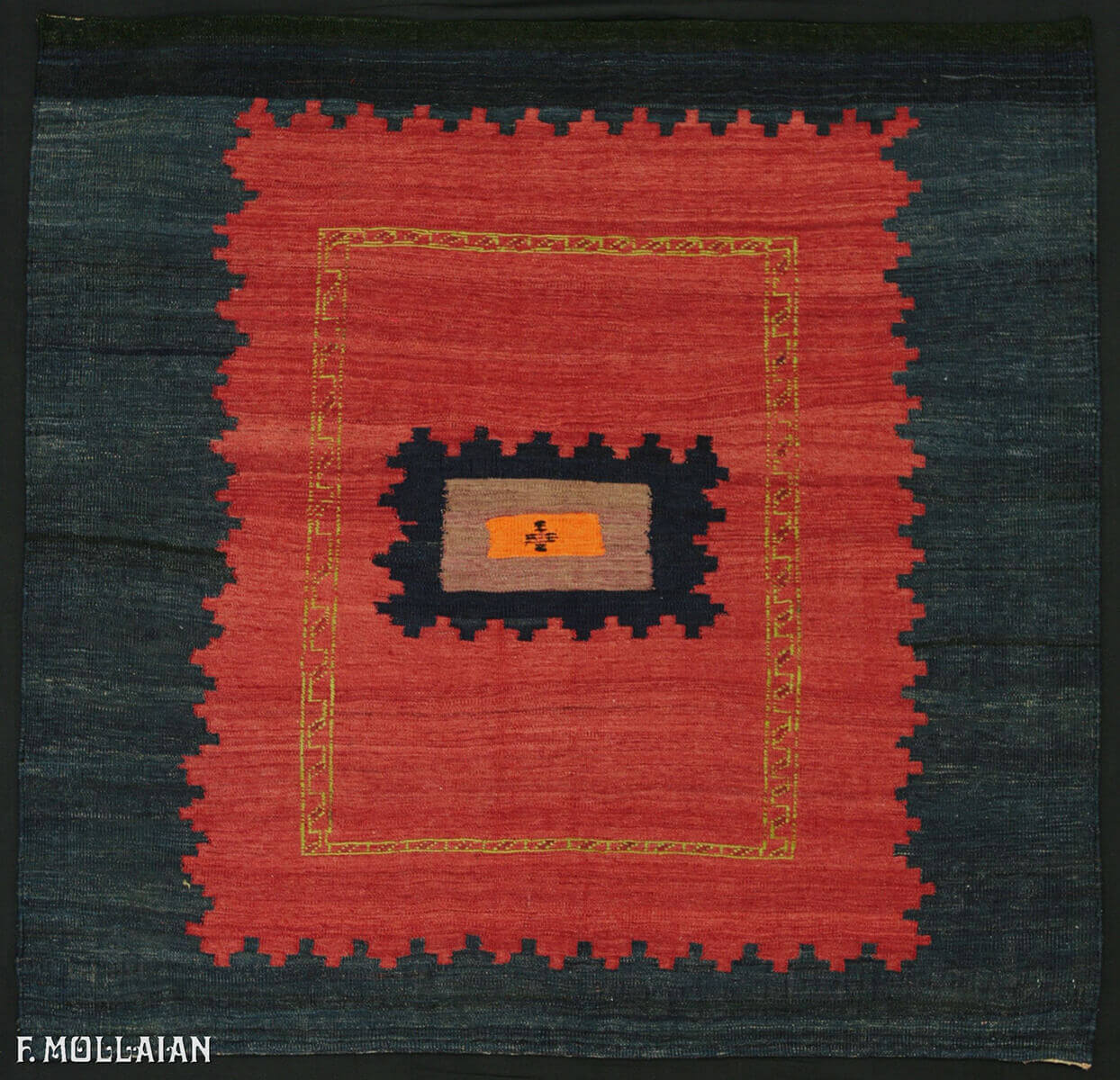

Sofreh Persian Qoraba A239 n°:S120004
€850.00 Add to cart
(126 × 131 cm) -
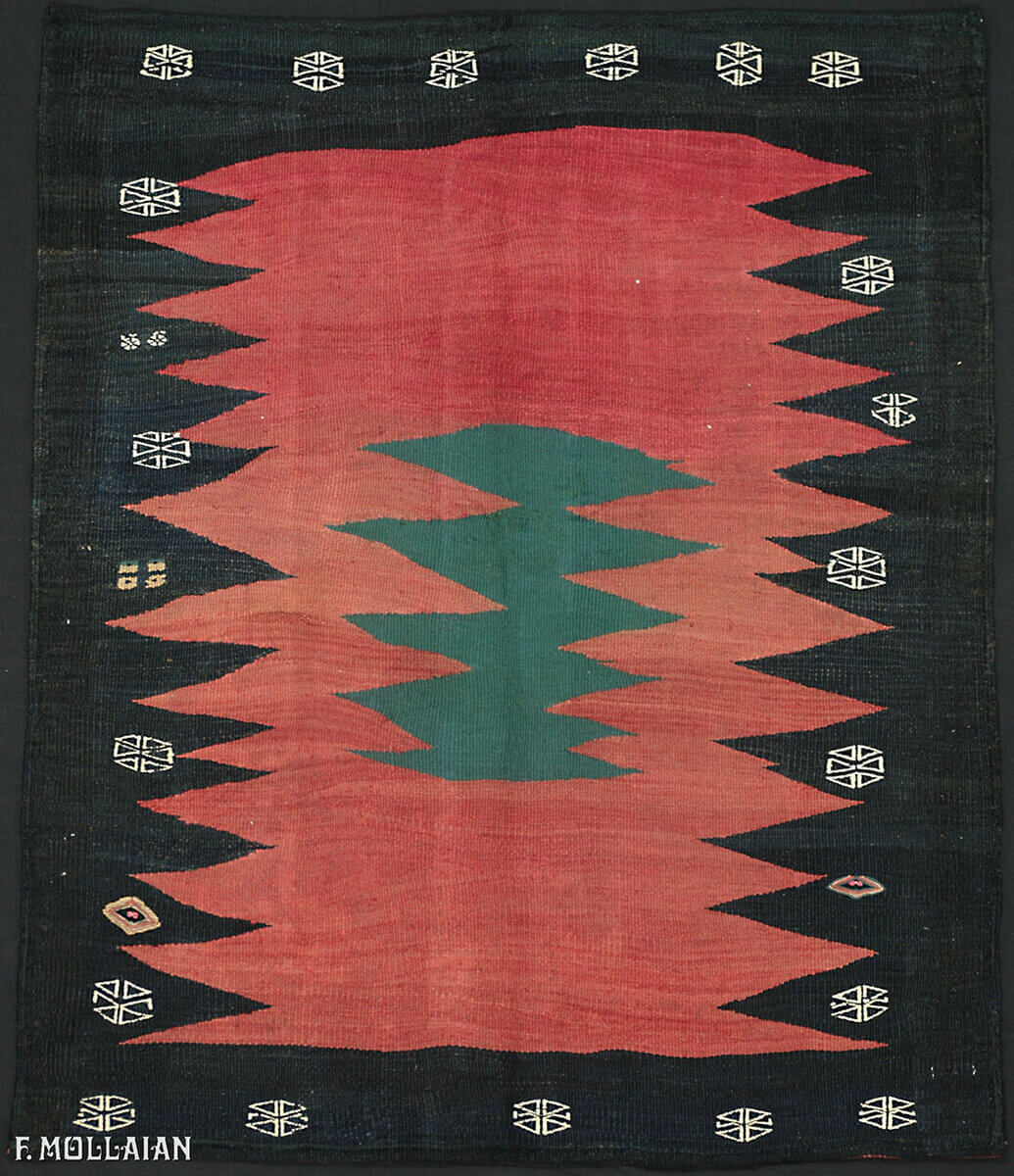

Sofreh Lori Persian Kilim B29 n°:S120002
€645.00 Add to cart
(110 × 92 cm) -
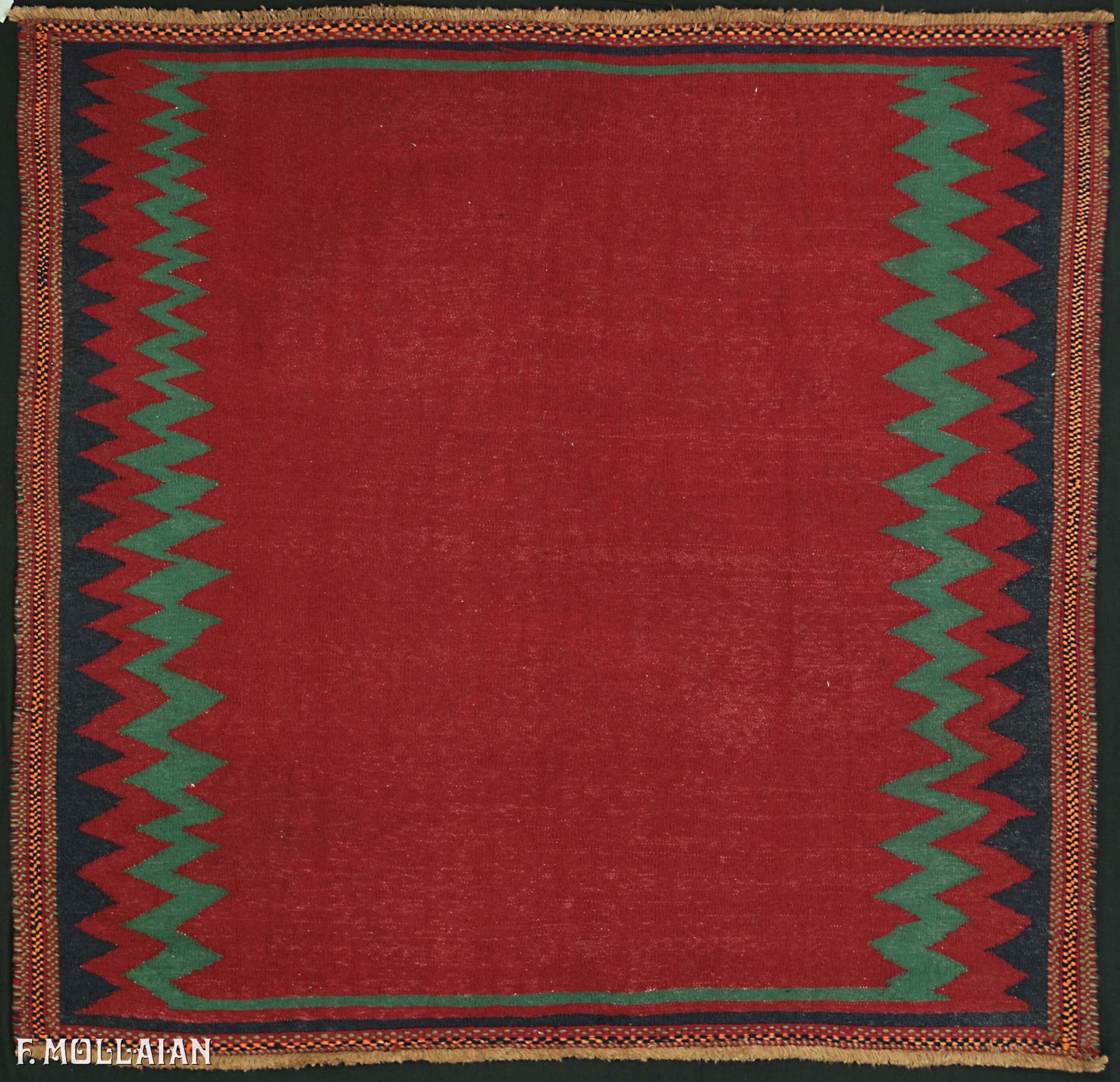
Sofreh Kilim Rug n°:97319008
€890.00 Add to cart
(135 × 141 cm) -
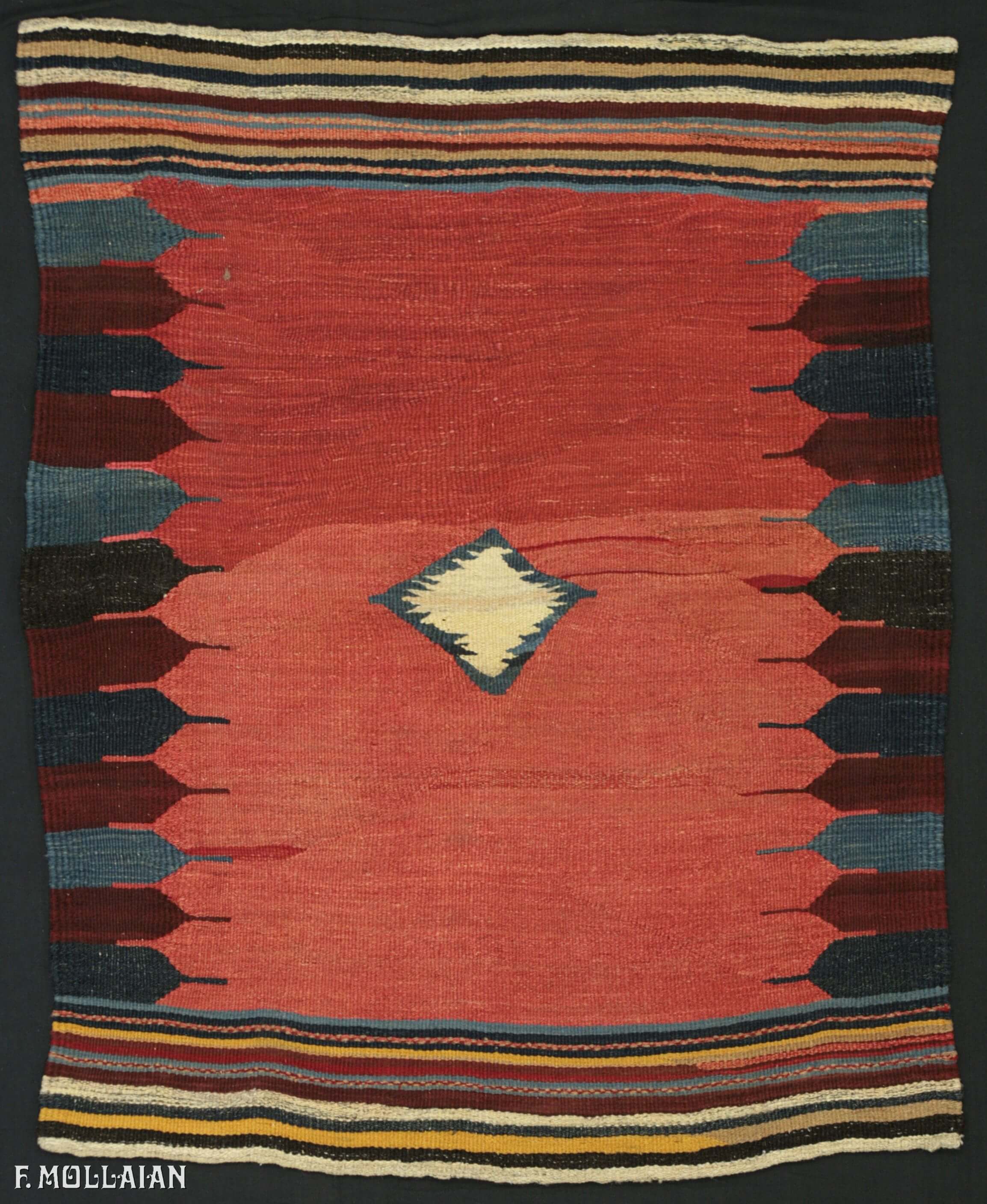

Sofreh Tribal Kilim n°:38396590
€890.00 Add to cart
(132 × 106 cm) -
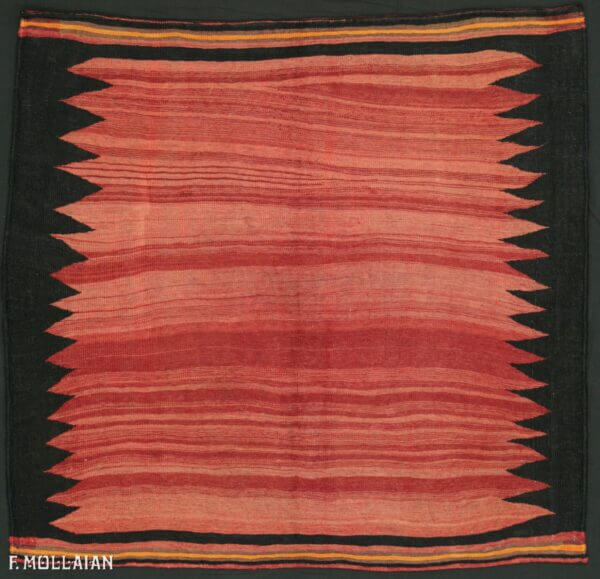
Sofreh Persian Afshari A-11 n°:897412
€850.00 Add to cart
(123 × 131 cm) -
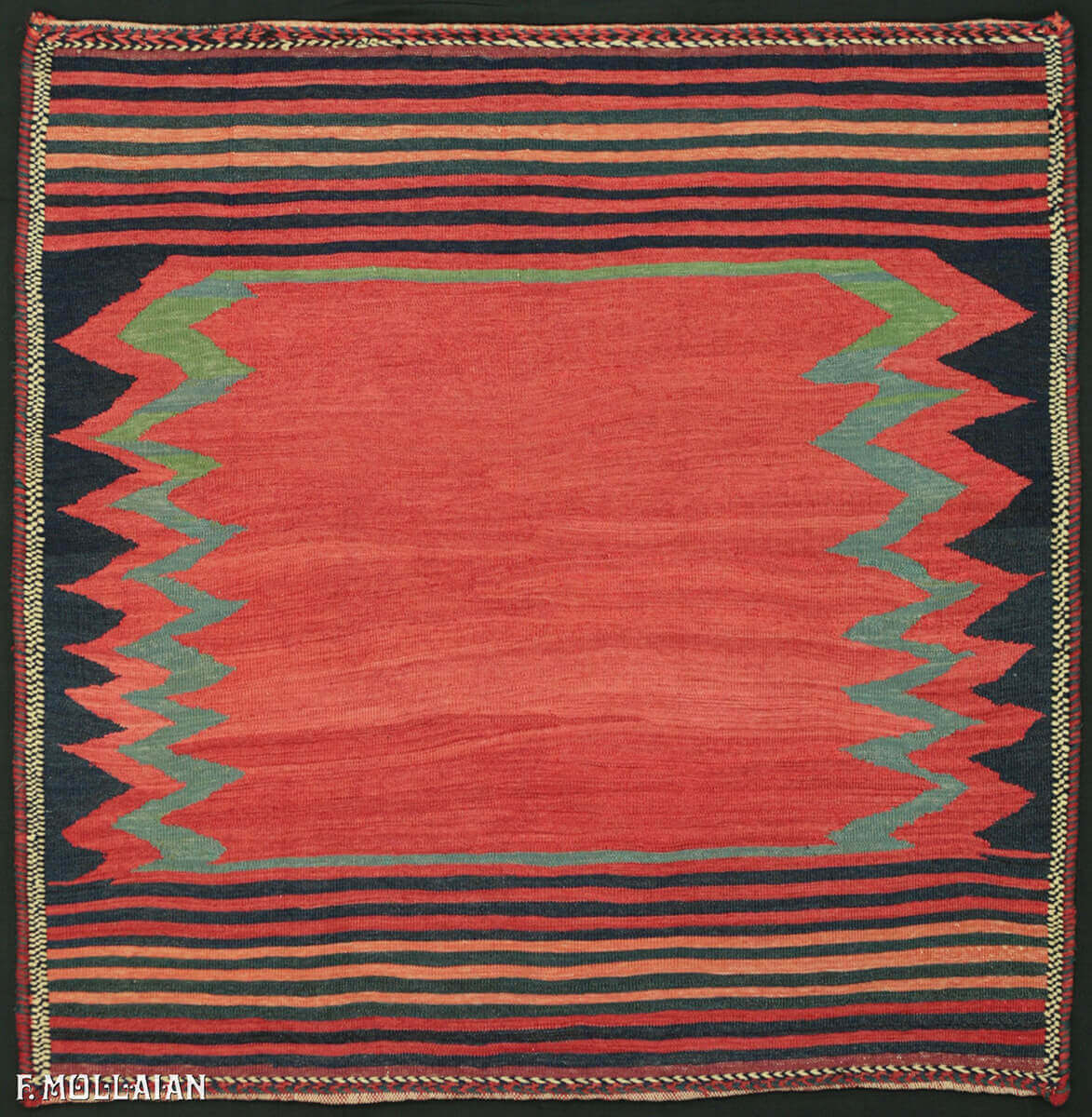

Sofreh (A) 747 n°:111313
€890.00 Add to cart
(112 × 112 cm) -
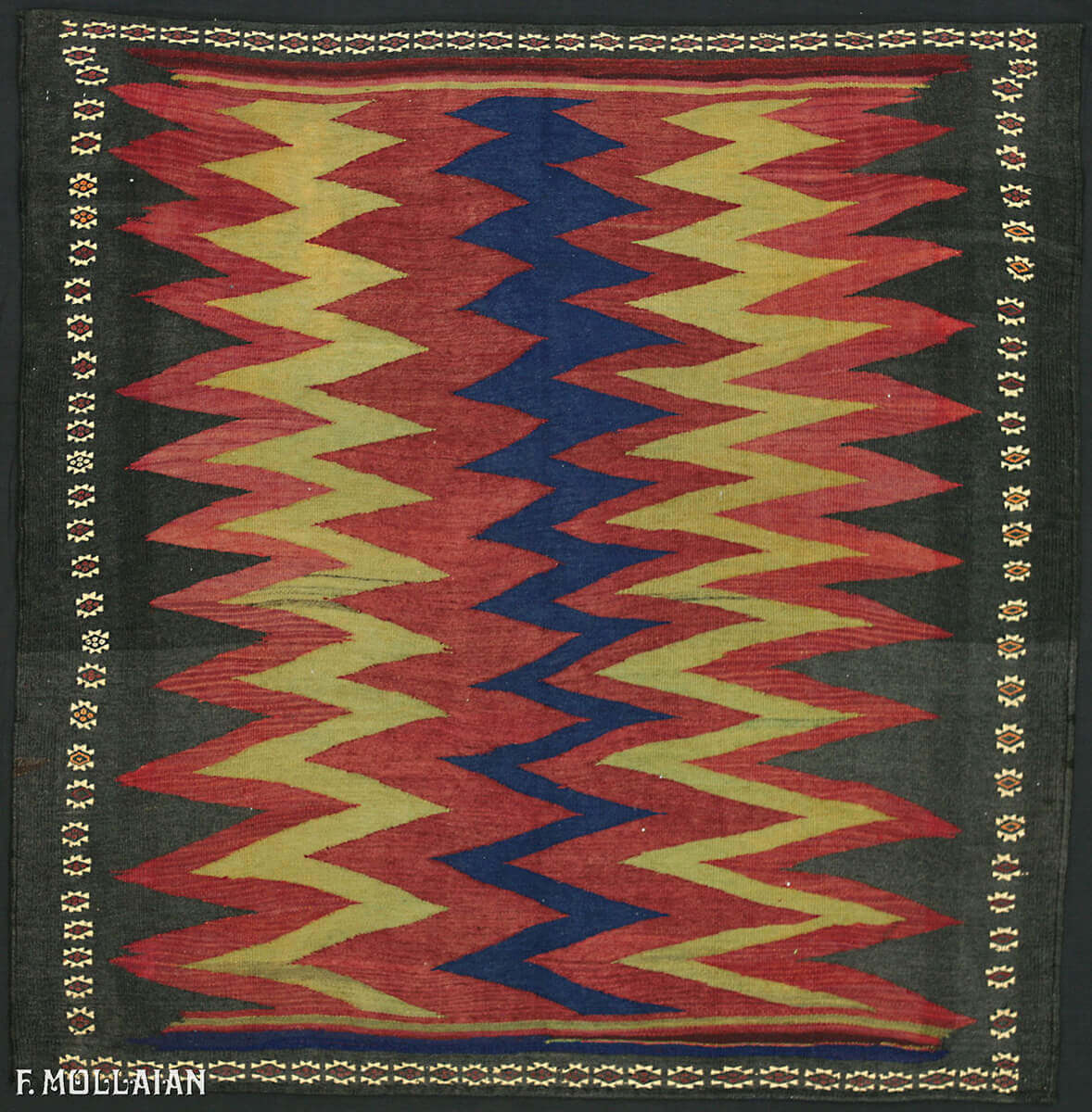
Sofreh (B) 165 n°:111225
S O L D Read more
(127 × 125 cm) -
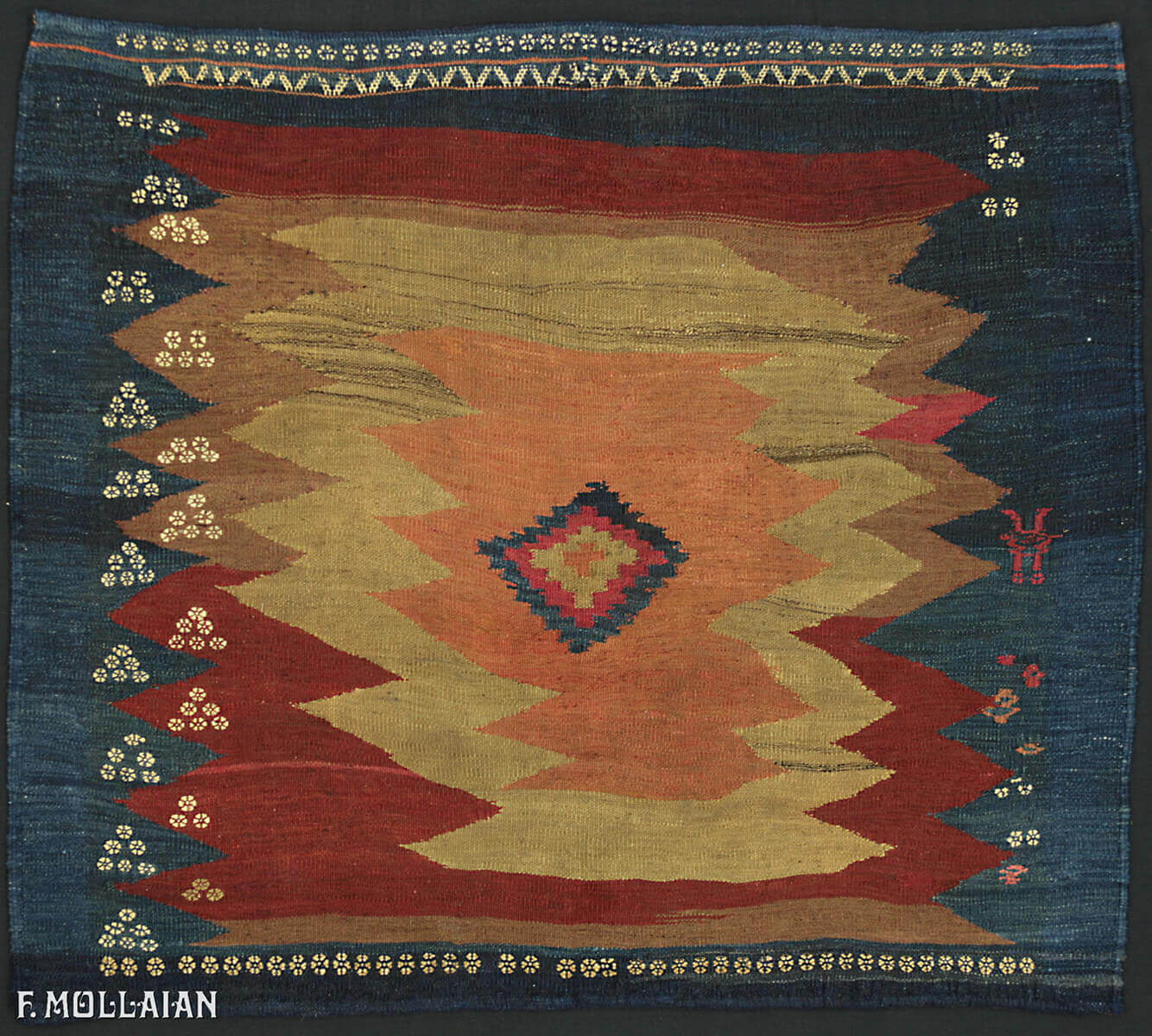
Sofreh (C) 143 Baft n°:111210
S O L D Read more
(117 × 122 cm) -
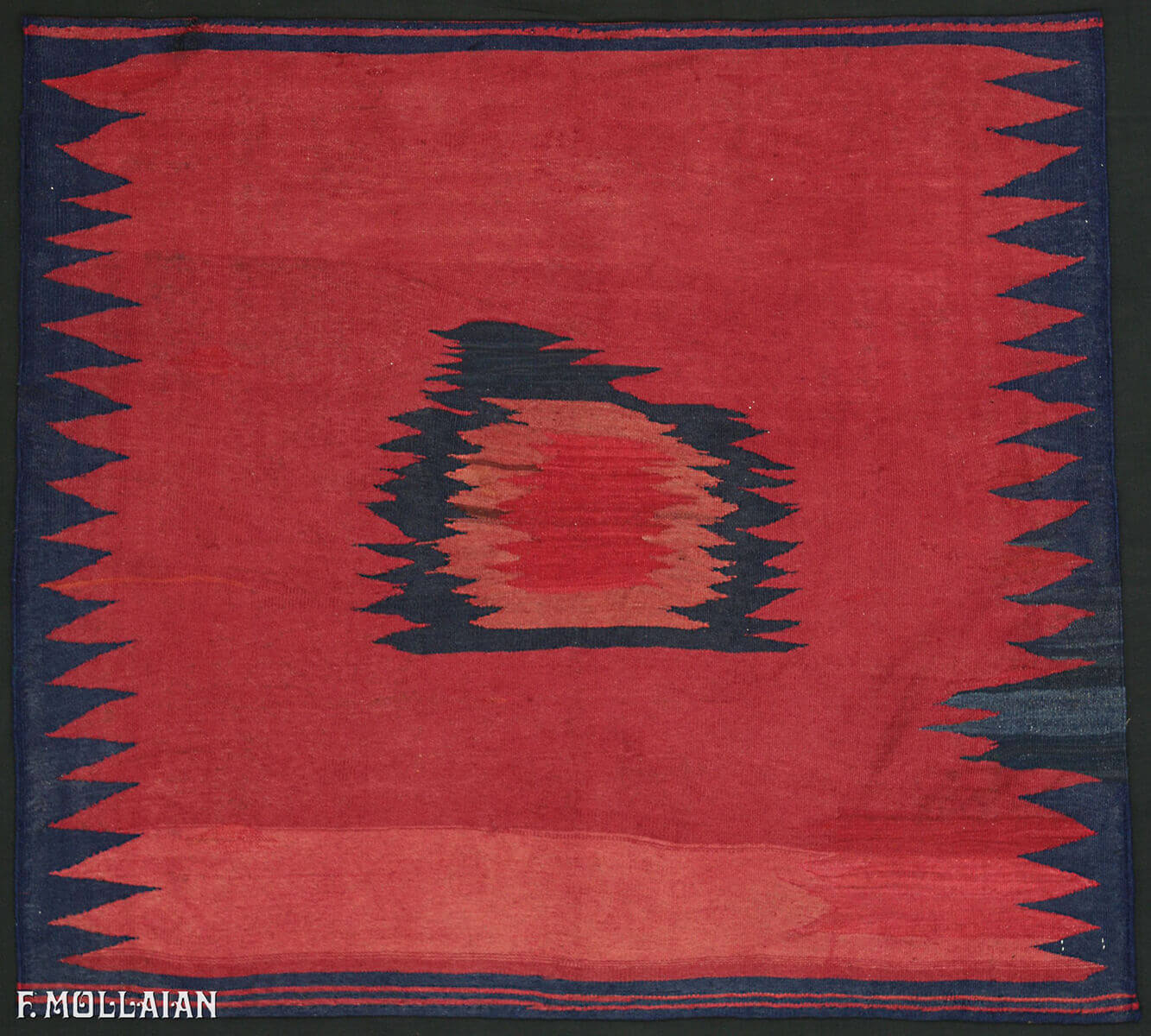
Sofreh (C) 126 Kiskan n°:111199
S O L D Read more
(114 × 127 cm) -
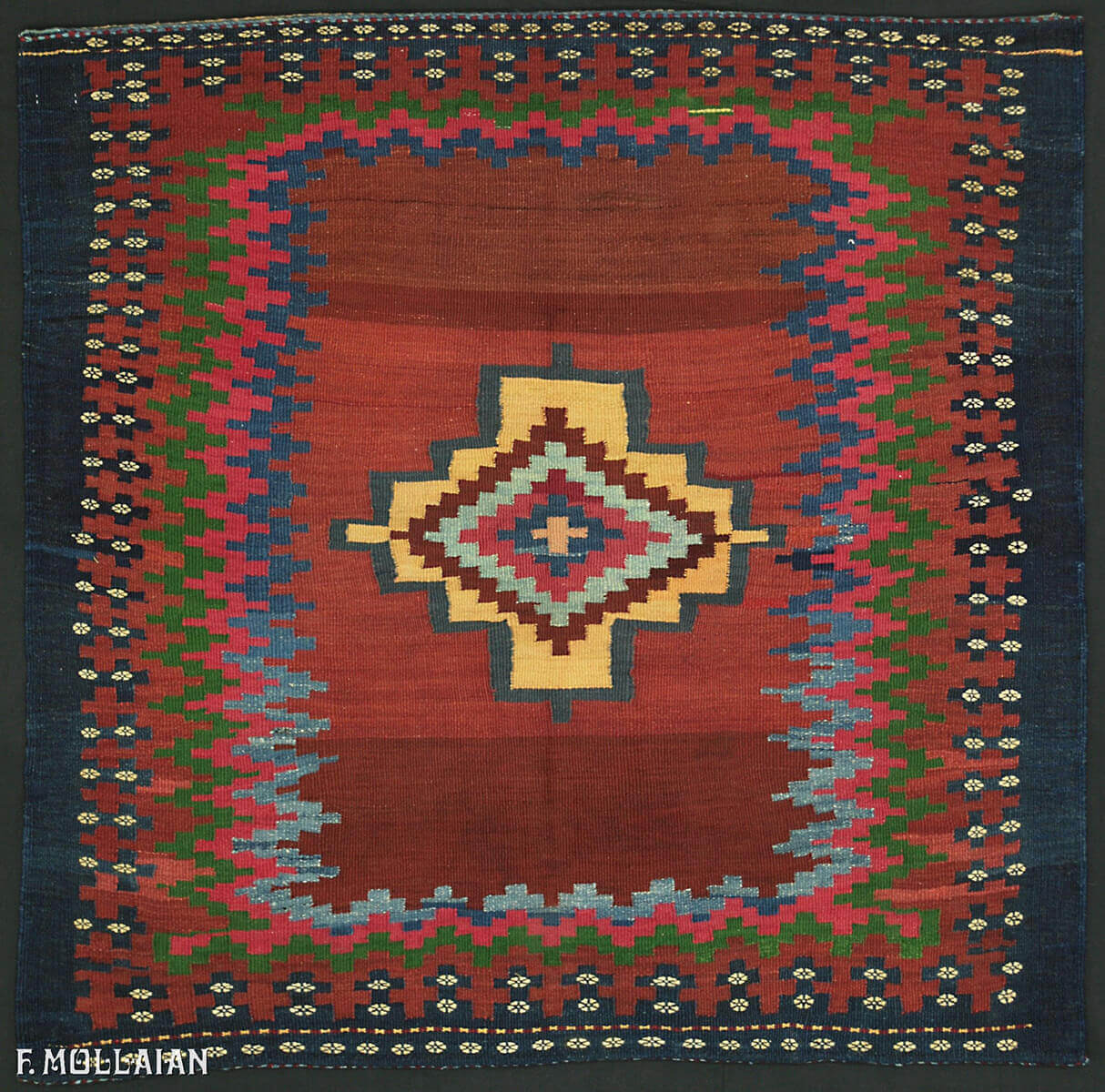
Sofreh (B) 99 n°:111180
S O L D Read more
(120 × 121 cm) -
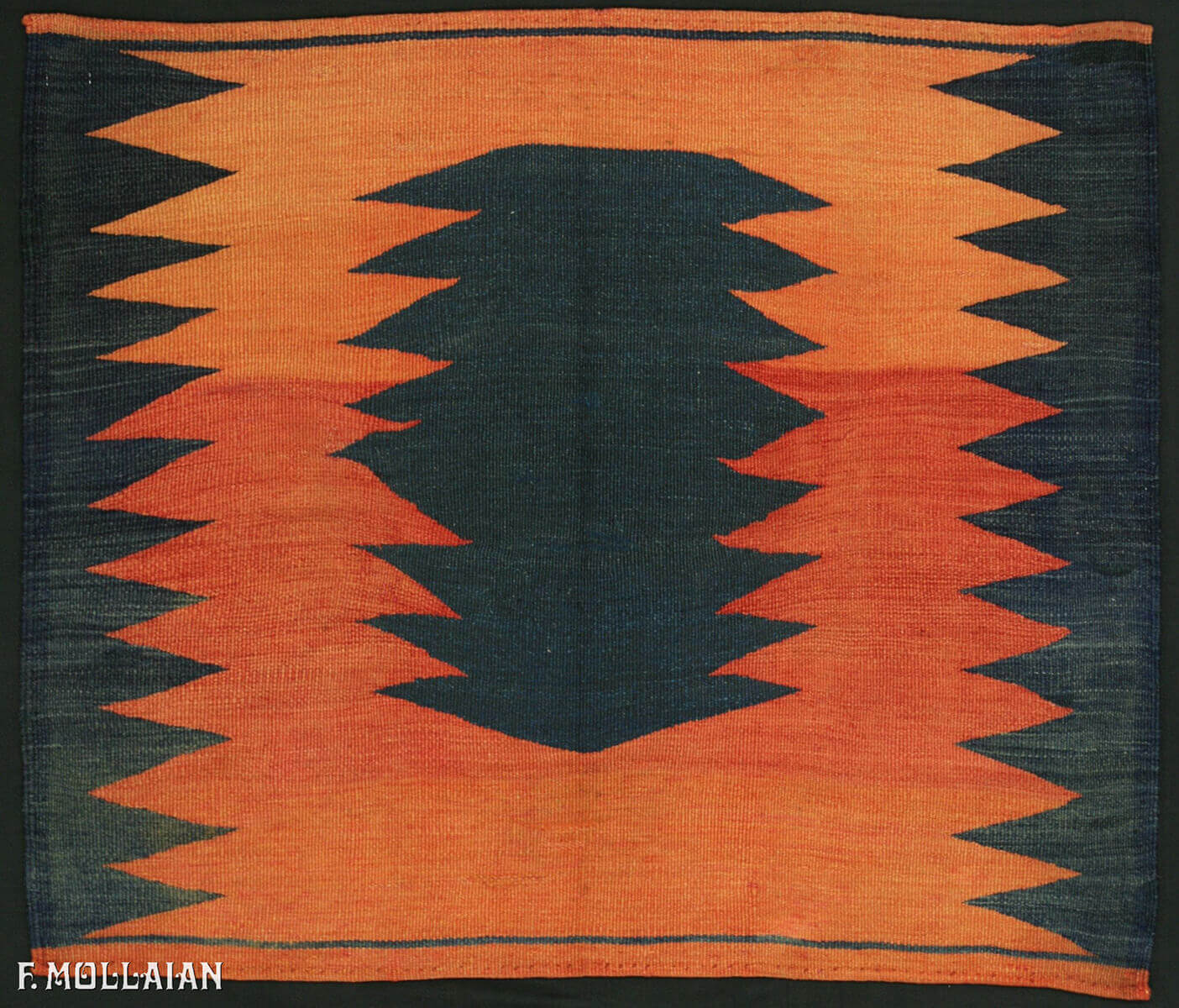
Sofreh (B) 095 Lori n°:111176
S O L D Read more
(102 × 119 cm)
Showing 1–16 of 194 resultsSorted by latest
Sofreh Kilim: A Feast of Authenticity, Art, and Female Craftsmanship
A Sofreh Kilim is far more than a simple woven textile used to store flour or bread; these works of art serve as a visual identity card for the culture and art of Iranian peoples, embodying the sacred concept of “barakat” (blessing) in nomadic life. Within every interweaving of threads in these table rugs lies a story of patience, an unbreakable bond with nature, and the unparalleled skill of tribal women.
The Role of Nomadic Women: Guardians of Abundance and Tradition
The Sofreh is the epitome of the creative genius of nomadic and rural women. These artisans weave their emotions row by row, without any predefined pattern or cartoon, guided solely by their own intuition. For the Iranian woman, this textile symbolizes the management of the home and a profound respect for daily bread. Utilizing pure natural wool and vegetable dyes, the weavers imprint a piece of their soul into these works, born to bring warmth and unity to the family circle.
The Timeless Legacy of the Kerman Region: The Afshar, Lori, and Kurmanji Tribes
While a large part of this Sofreh rug collection is the fruit of the artistry of women from the traditional art villages of the Kerman region (such as Kiskan, Qorba, Rabor, Rayen, Bardsir, and the foothills of the Jabal Barez mountains), the gathering is also embellished with historic artifacts from the women of the Afshar, Lori, and Kurmanji tribes of Khorasan. The Sofrehs of these regions (especially the flat-weaves used for flour and baking) are celebrated for their extremely high weave density and exclusive techniques such as “Shiriki-Pich,” making them exceptionally resistant to moisture and the wear of time.
The Convergence of History and Modernity in Interior Design
The geometric patterns of these Sofreh Kilims are magnetic. Developed mostly through concentric designs and repetitive patterns, they create a fascinating visual impact thanks to rich and bold color palettes. Each decor tells a story: sometimes it is a mirror of the natural environment surrounding the weaver, other times it is an echo of her ancestral beliefs and customs. The art expressed in these geometric schemes reveals the unique mastery and creativity of the artisan, transforming every single artifact into an unrepeatable work of art.
Unlike the artifacts of the Qashqai and Bakhtiari tribes, which favor bright colors and large motifs, the Sofrehs of Kerman and Afshar stand out for their geometric fineness, the delicacy of their central medallions (“toranj”), and a warm chromatic range (lacquered red, midnight blue, and cream). Today, these art textiles occupy a place of honor in modern and neoclassical interiors, finding their place as:
- Exceptional table runners and covers rich in historical identity,
- Striking textile wall art and tapestries of great visual impact,
- Small accent rugs capable of infusing energy, warmth, and authenticity into any room.
Why Choose the Sofrehs of This Region?
Choosing a Sofreh Kilim — an artifact that is both utilitarian and incredibly rare in traditional and nomadic culture — goes far beyond a simple decorative purchase. It means welcoming a fragment of Persia’s living history into your home and supporting the purest native art. Remember that in the universe of handmade tribal textiles, no two pieces are identical: you will become the guardian of a unique masterpiece in the world.